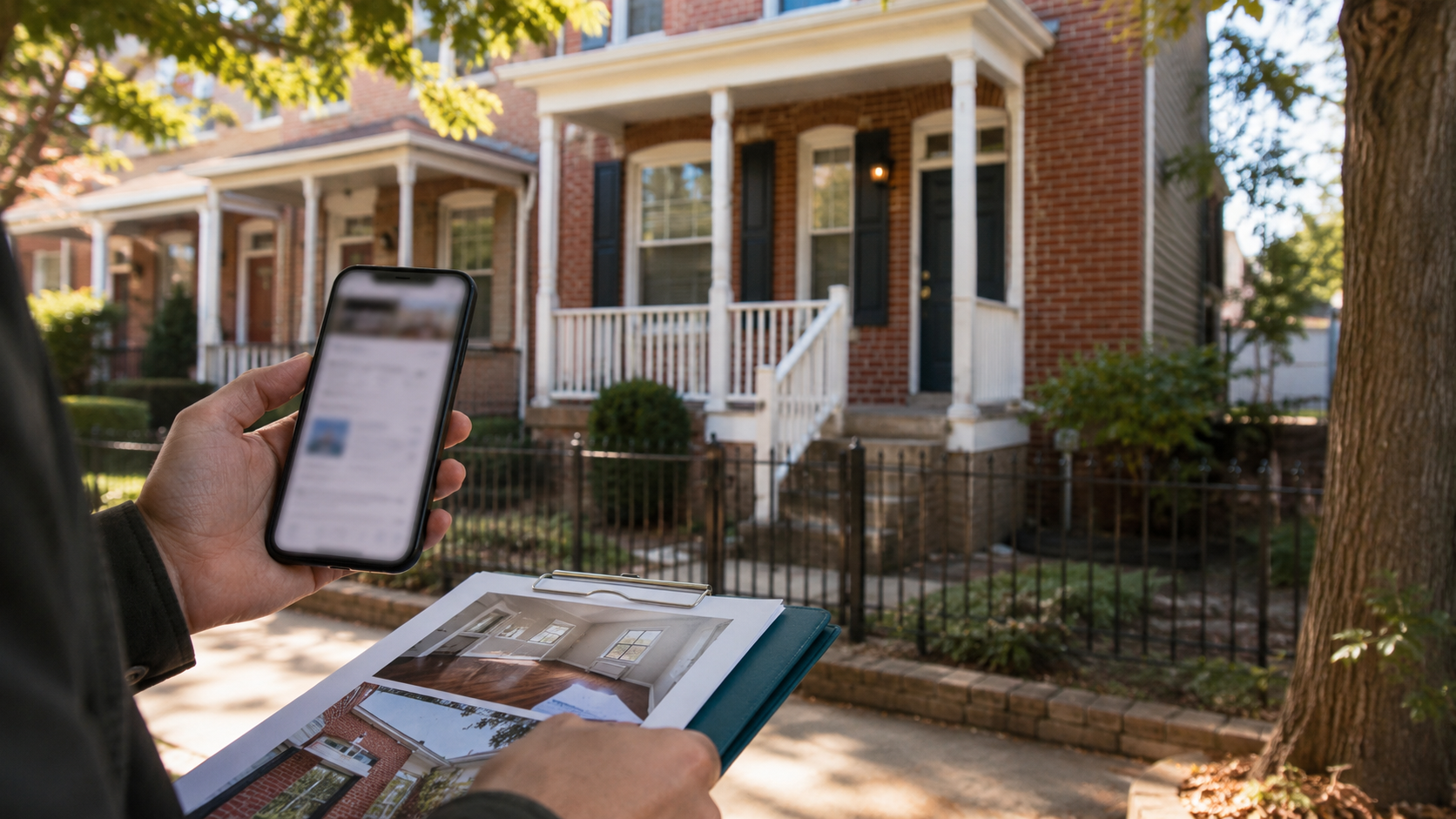
Fake rental listings can look convincing because the property itself may be real. A scammer can copy a legitimate address, photos, description, floor plan, or virtual tour, then replace the real contact information with their own. The property can exist and the ad can still be fake.
For renters searching across Richmond City, Henrico, Chesterfield, Hanover, or Petersburg, the safest question is not simply whether the home exists. It is whether the person asking for money or personal information can be independently verified as someone authorized to rent it. Our broader guide to rental fraud in Richmond covers the wider fraud landscape. This guide focuses on the fake-listing warning signs to check before moving forward.
How Fake Rental Listings Work
The Federal Trade Commission's rental listing scam guidance describes a common pattern: scammers copy photos, descriptions, or virtual tours from a real rental listing, replace the legitimate contact information, and repost the property elsewhere. Other fake ads may advertise a home that is not actually available for rent.
The scam works because the listing contains enough real information to survive a quick check. The address exists. The photos match the house. The price may look plausible. The problem is the person on the other end of the conversation. A real property does not prove that the advertiser has authority to lease it.
Fake listings are only one way renters can be targeted. Our guide to rental scams targeting Richmond renters explains the broader pattern.
Five Fake Rental Listing Red Flags to Check
1. The Contact Details Do Not Match an Official Source
Compare the phone number, email address, company name, and website in the ad with information found independently. A different phone number is not automatically fraud, but a mismatch that the advertiser cannot explain is a reason to stop and verify before sharing documents or paying anything.
2. The Advertiser Pushes Payment Before Verification
Be cautious when someone wants a deposit, first month's rent, holding payment, or other money before the advertiser and rental process can be verified. An application fee by itself is not proof of a scam. The important question is whether the fee is being collected through a legitimate, independently verified application process.
3. The Payment Method Is a Major Warning Sign
The FTC specifically warns about rental scammers who insist on wire transfers, gift cards, or cryptocurrency. These payment methods make it difficult to recover money once it is sent. A sudden request to abandon the normal payment or application process is also a reason to stop and verify.
4. The Price or Listing Details Do Not Match
A rent that is far below comparable homes can be a lure, especially when it is paired with pressure to act immediately. Also compare the address, rent, availability date, property description, and contact information across different listings. Conflicting versions of the same property deserve a closer look.
5. The Advertiser Resists Independent Verification
Scammers benefit when every question is routed back through them. Be cautious if the person will not identify the owner or management company, will not let the renter verify the company through its own website, gives repeated excuses about access, or becomes more aggressive when verification is requested.
How to Verify a Richmond Rental Listing Before You Pay
At PMI James River, legitimate rental marketing may include high-resolution property photos and a basic floor plan. Those polished assets help renters evaluate a home, but they are not proof that a particular ad is legitimate. A scammer can copy strong marketing materials just as easily as weak ones.
Key point: Verify the advertiser, not just the property. A real address, professional photos, or even access to a self-guided tour does not prove that the person requesting money is authorized to rent the home.
- Search the address. Look for other versions of the listing and compare the price, availability, company name, and contact information.
- Check the management company's own website. If a property is represented as a PMI James River rental, compare it with the official Richmond homes for rent page.
- Use contact information you found independently. Do not rely only on the phone number, email address, or link supplied in the questionable ad.
- Confirm the application and payment path. Make sure the application, lease, and payment instructions come through the verified owner or management company rather than a personal account or last-minute substitute.
- See the property when practical, but keep verifying. An in-person or self-guided tour can help confirm the home, but the FTC warns that scammers may also exploit self-tour systems. Property access is not the same as authority to lease.
What to Do If a Listing Looks Fake
If something does not line up, stop the transaction before sending more money or personal information. Save screenshots of the ad, messages, contact details, payment instructions, and the web address where the listing appeared. Then verify the property through a source that did not come from the suspected advertiser.
Report the questionable ad to the platform where it appeared. If money has already been sent or sensitive information has already been shared, the next steps change. Our guide on what to do after rental fraud in Richmond covers documentation, financial follow-up, and reporting.
Frequently Asked Questions About Fake Rental Listings
Can a Fake Rental Listing Use a Real Address and Real Photos?
Yes. That is one of the most common ways these scams become convincing. Scammers can copy legitimate listing materials and change only the contact information. Confirming that the property exists is not enough. The advertiser also needs to be verified.
Does a Self-Guided Tour Prove the Listing Is Legitimate?
No. A tour can confirm that the property exists, but it does not by itself prove that the home is available through the person communicating with you. Continue checking the management company, contact information, and payment process.
Is Below-Market Rent Always a Scam?
No. A legitimate rental can be priced aggressively for many reasons. The red flag is a price that appears unusually low and is paired with pressure, conflicting information, or resistance to verification.
How Can I Verify a PMI James River Rental?
Compare the property with PMI James River's official rental listings and use contact information from the company website rather than relying only on the information in a third-party ad. If something does not match, contact PMI James River before sending money or personal information.
The simplest protection is to slow the transaction down long enough to verify who is on the other side. A convincing property page is useful, but authority, contact consistency, and a verified payment process matter more than appearances.
Published: December 30, 2025
Updated: August 22, 2026