
Richmond City can support more than one rental strategy, and single-family homes occupy a useful place in that mix. U.S. Census Bureau QuickFacts reports an owner-occupied housing unit rate of 43.5% for 2020-2024, while the city's population estimate increased 4.7% from the April 2020 estimate base to July 2025. That gives rental housing an important role in the city, but it does not make every detached house a strong rental investment.
For owners evaluating PMI James River's Richmond investment services, the useful question is whether a specific house offers enough leasing and operating advantages to justify its purchase price and ongoing costs. The broader process for finding good real estate investment deals starts with the acquisition math. This article focuses on the housing-stock decision: when can a single-family home create a real rental advantage in Richmond City?
Key Takeaways
- A single-family rental can compete on separation, parking, storage, outdoor space, and flexible rooms rather than trying to match an apartment community amenity for amenity.
- Richmond renters currently have meaningful choice, so the advantage needs to come from the actual property, not the single-family label alone.
- National data shows stronger recent rent growth for single-family rentals than multifamily rentals, but that does not prove a specific Richmond City house deserves a rent premium.
- Single-family operations can be simpler because one household occupies the property, but vacancy and major repairs are concentrated in one rent stream.
- The best acquisition is supported by direct rental comparables, practical features, realistic repair assumptions, and a return that works without aggressive future rent growth.
Why Single-Family Rentals Compete Differently in Richmond City
Richmond's rental market is absorbing a large amount of apartment supply. Virginia REALTORS reported that 3,084 multifamily units were delivered across Virginia in the second quarter of 2026, 37% more than a year earlier, and Richmond was among the metro areas with the largest shares of new multifamily construction in the Commonwealth.
That new supply matters because apartments can compete with professional leasing teams, newer finishes, shared amenities, and move-in specials. Zillow's June 2026 rent report showed that 47.4% of rental listings in the Richmond market offered a concession. An individual rental owner usually should not try to imitate a large apartment community's concession strategy dollar for dollar.
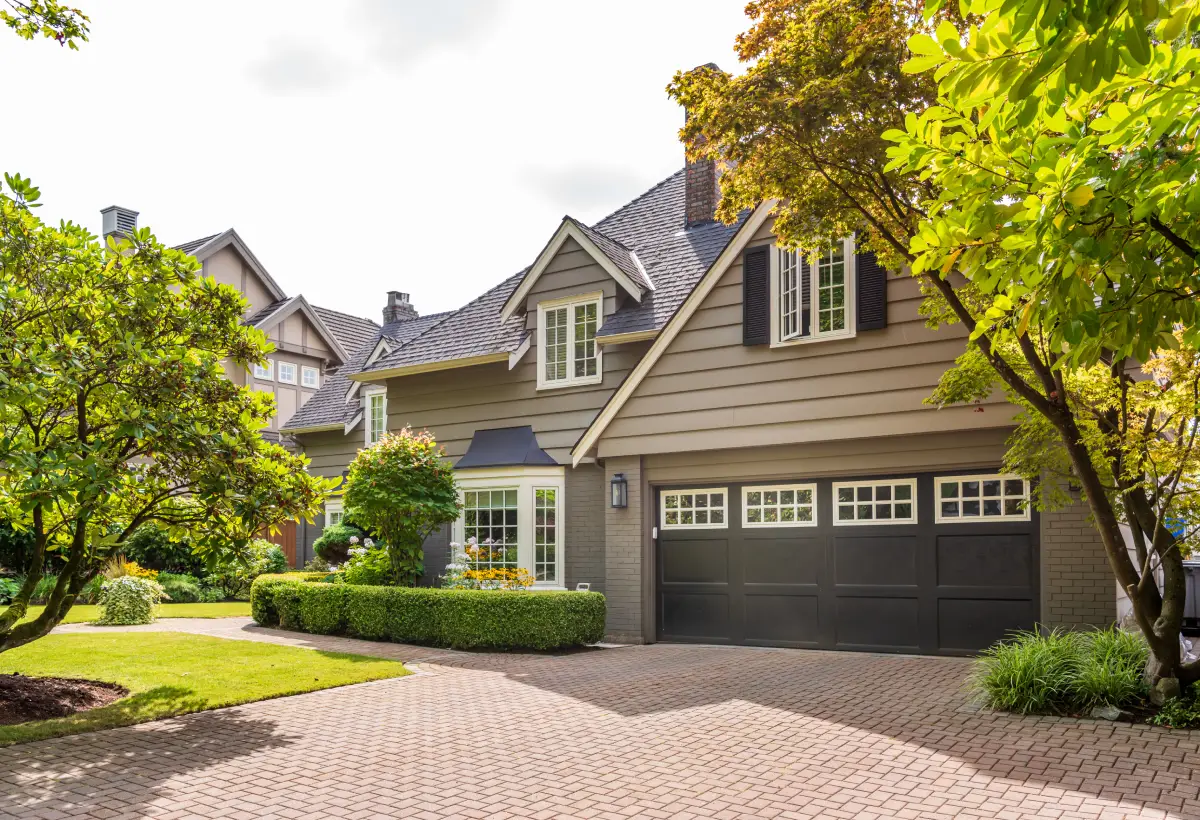
A detached house can compete differently. A private entrance, no shared walls, dedicated parking, usable storage, a porch or yard, and a flexible floor plan can create a rental package that is difficult for an apartment to duplicate. That is the more useful single-family advantage. It is product differentiation, not automatic superiority.
Zillow also reported that national single-family asking rents increased 3% year over year in June 2026, compared with 1.5% for multifamily rentals. Zillow tied part of that gap to the larger increase in apartment supply. The national pattern is useful context, but it is not a Richmond City rent adjustment. A local house still needs direct comparable rentals to support its asking rent.
Owners considering both property types can compare this single-family thesis with PMI James River's Richmond multifamily supply analysis, which looks at the same market pressure from the Class B and Class C apartment side.
Where the Single-Family Advantage Actually Shows Up
The strongest advantages are usually practical features a resident can use every day. They should be evaluated as part of the whole rental package, not converted into unsupported rent premiums.
- Separation: A detached home usually removes shared walls, hallways, stairwells, and building common areas. That changes the living experience and also removes some shared-area coordination from day-to-day management.
- Dedicated parking: A driveway or clearly assigned off-street space can remove a recurring point of friction when the competing rental set has less convenient parking.
- Storage: Closets, garages, sheds, basements, and other usable storage can make a house function differently from an apartment with a similar bedroom count.
- Outdoor space: A porch, patio, or usable yard gives the resident private space without relying on a shared amenity area. The lease still needs to make exterior-care responsibilities clear.
- Flexible rooms: In PMI James River's Richmond work, we treat room utility as part of the rental comparison. An extra bedroom can often function as a home office without permanent changes to the property, giving the resident more ways to use the same floor plan.
These features can broaden the reasons a renter chooses one home over another, but demand value and rent value are not the same thing. A useful feature may help a property stay in a prospect's consideration set without supporting a clean monthly rent adjustment. The owner still needs to compare actual competing rentals rather than adding a fixed dollar value for each feature.
Underwrite the House, Including the Operational Tradeoffs
Simpler Coordination Is a Real Benefit
Single-family ownership can be operationally straightforward. One household occupies the property, access scheduling usually involves one residence, and there are no interior common areas or building amenities to coordinate. For an owner growing one property at a time, that can make the operating model easier to understand and standardize.
That simplicity is valuable, especially when the owner has clear systems for rent collection, maintenance reporting, inspections, renewals, records, and reserves. It can support gradual portfolio growth without requiring the same shared-building operations that come with a larger multifamily asset.
The Costs Are More Concentrated
Simpler coordination does not mean lower cost in every year. A single-family owner is still responsible for the property's major systems and components as applicable: roof, HVAC, plumbing, electrical, appliances, exterior elements, and other property-specific needs. A large repair is not spread across several units.
Vacancy is concentrated too. When a single-family rental is empty, that property's rent stream goes to zero until the next lease begins. In a small multifamily property, one vacant unit may still leave income coming from the occupied units. That difference belongs in reserve planning and acquisition math rather than being treated as a reason to avoid single-family rentals.
Five Checks Before Buying
- Use direct rental comparables. Compare houses with similar location, bedroom count, layout, condition, parking, and major features. Broad metro rent averages are context, not the rent estimate.
- Identify the property's real leasing advantages. Look for features residents can actually use, such as parking, storage, flexible rooms, outdoor space, or a layout that differs meaningfully from competing apartments and houses.
- Price near-term capital needs. The purchase can look attractive until an aging roof, HVAC system, plumbing issue, or deferred exterior work is added to the first few years of ownership.
- Budget recurring property-specific work. Lawn care, exterior upkeep, pest treatment, filters, gutters, and other recurring items vary by house and by lease allocation.
- Make the deal work without optimistic assumptions. Use supportable rent, realistic vacancy, actual financing, taxes, insurance, maintenance, management, and reserves. PMI James River's rental property ROI calculator can help organize those assumptions before a purchase.
A house that passes those checks has a much stronger investment case than one that depends on the general idea that single-family rentals are "better." The housing type can create an advantage, but the property-level economics decide whether that advantage is worth buying.
Frequently Asked Questions
Are Single-Family Rentals Better Investments Than Multifamily Properties in Richmond?
Not automatically. Single-family homes and multifamily properties solve different investment problems. A detached home may offer simpler operations and a differentiated rental experience, while multifamily ownership can spread vacancy and some fixed costs across multiple units. Purchase price, rent, condition, financing, management demands, and the owner's strategy determine which is stronger.
Do Single-Family Homes Rent for More Than Apartments?
Nationally, Zillow reported a higher typical asking rent and faster year-over-year rent growth for single-family rentals than multifamily rentals in June 2026. That does not establish a specific Richmond City premium. A three-bedroom house and a large apartment community are different products, so direct local comparables should set the rent.
Which Single-Family Features Matter Most in Richmond City?
There is no universal ranking. Practical features such as dedicated parking, useful storage, flexible rooms, private outdoor space, and a functional layout can help a house compete. Their value depends on what comparable rentals offer and what renters in that property's competitive set can choose instead.
Is Single-Family Maintenance Easier?
Coordination can be simpler because repairs usually affect one household and there are no interior common areas. Financial exposure can still be concentrated because the owner carries the major systems for one property. Good reserves and condition records matter in either housing type.
A Good Single-Family Rental Wins on the Property, Not the Label
Single-family homes can work very well for Richmond City owners when the property offers a useful rental experience at a purchase price and operating cost the rent can support. The strongest acquisitions combine a supportable rent, practical layout, competitive features, manageable near-term repairs, and enough reserve capacity to absorb the costs that eventually arrive.
For an owner evaluating a Richmond City house before buying, or deciding whether an existing home makes sense as a rental, PMI James River can prepare a free rental analysis using current comparable rentals and the property's actual condition and features.
Published: March 14, 2026
Updated: August 22, 2026